
Federal Reserve Independence Under Threat: Dollar Crisis Risks
A growing chorus of economists and market analysts is raising alarms about increasing political pressure on the Federal Reserve, warning that threats to central bank independence could undermine the credibility of U.S. monetary policy, destabilize Treasury markets, and potentially trigger a dollar crisis with far-reaching consequences for the global economy.
According to a recent Bloomberg survey of institutional investors, 68% expressed concern about Fed independence, with 42% believing political pressure already influences monetary policy decisions. This perception risk could have serious implications for borrowing costs, financial stability, and the dollar's reserve currency status.
The Critical Importance of Central Bank Independence
Central bank independence has long been considered essential for effective monetary policy. When the Federal Reserve can make decisions based on economic data rather than political considerations, it creates stability and predictability in financial markets.
Anchoring Inflation Expectations
Independent central banks can make unpopular decisions to control inflation without fearing political repercussions. This credibility helps anchor long-term inflation expectations, which is crucial for stable pricing throughout the economy. When markets trust that the Fed will maintain price stability, they require lower risk premiums on Treasury securities, reducing borrowing costs for the government, businesses, and consumers.
Maintaining Global Confidence
The U.S. dollar's status as the world's primary reserve currency depends on confidence in American institutions and policies. Foreign governments and investors hold dollars and dollar-denominated assets because they trust the Fed to maintain the currency's value. Any perception that political considerations override economic fundamentals could erode this trust, potentially triggering capital outflows and dollar depreciation.
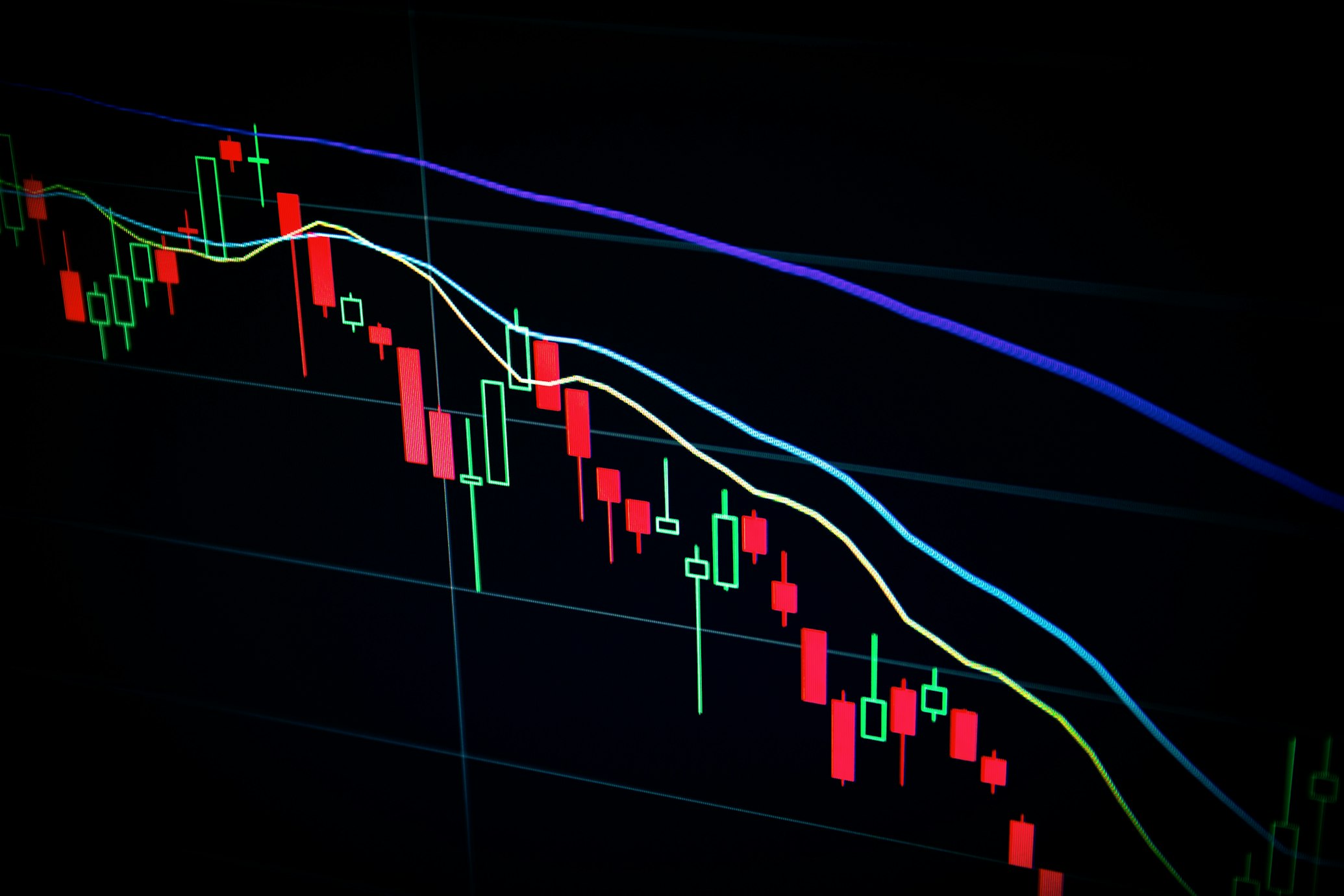
The Federal Reserve's independence is crucial for maintaining economic stability and dollar confidence
Current Threats to Fed Independence
Several concerning developments have raised alarms about the Fed's operational independence:
Public Criticism and Pressure Campaigns
Recent years have seen unprecedented public criticism of Fed chairs and monetary policy decisions from sitting presidents and members of Congress. This pressure has sometimes extended to explicit demands for specific policy actions that would benefit short-term political goals at the expense of long-term economic stability.
Proposed Legislation
Several legislative proposals would subject the Fed to greater political oversight or auditing of monetary policy decisions. While framed as increasing transparency, many economists argue these measures would effectively politicize interest rate setting and undermine the Fed's ability to make difficult decisions when necessary.
Appointment Politics
The process of appointing Fed governors has become increasingly politicized, with potential nominees evaluated more for their political alignment than their technical expertise or commitment to the Fed's dual mandate of price stability and maximum employment.
Potential Consequences of Weakened Fed Independence
If perceptions of Fed independence continue to erode, several concerning scenarios could unfold:
| Risk Factor | Potential Impact | Historical Precedent |
|---|---|---|
| Higher Inflation Expectations | Bond investors demand higher yields to compensate for perceived inflation risk | 1970s stagflation period |
| Dollar Depreciation | Reduced foreign demand for dollar assets could weaken currency value | 1960s-70s dollar crisis |
| Increased Market Volatility | Uncertainty about policy direction could spike volatility across asset classes | 2013 "Taper Tantrum" |
| Reduced Policy Effectiveness | Market participants might discount Fed communications and actions | Various emerging market crises |
| Loss of Reserve Currency Status | Long-term erosion of dollar's special role in global finance | British pound in early 20th century |
How a Dollar Crisis Could Unfold
Economists worry about a potential cascade effect if confidence in the Fed's independence continues to erode:
Stage 1: Rising Risk Premium
Investors begin demanding higher yields on Treasury securities to compensate for perceived policy uncertainty and inflation risk. This increases borrowing costs for the government, corporations, and homeowners.
Stage 2: Currency Repricing
Foreign investors reduce dollar holdings and seek alternative reserve currencies like the euro or yen, or traditional safe havens like gold and Swiss francs.
Stage 3: Financial Contagion
Dollar weakness and higher rates create stress in emerging markets with dollar-denominated debt and disrupt global trade patterns.
Stage 4: Economic Drag
Tighter financial conditions slow business investment, consumer spending, and hiring, potentially triggering a recession.
Protecting Your Portfolio: A Strategic Approach
While a full-blown dollar crisis remains a low-probability scenario, prudent investors should consider these protective strategies:
Diversified Fixed Income
Consider a barbell approach to bonds, combining short-term Treasury bills for stability with intermediate-term quality corporates for yield. Include some Treasury Inflation-Protected Securities (TIPS) to hedge against unexpected inflation.
Quality Equity Exposure
Focus on companies with strong balance sheets, sustainable competitive advantages, and pricing power that can withstand economic uncertainty and potential inflation. Consider multinationals with diversified revenue sources that could benefit from dollar weakness.
Real Assets Allocation
Maintain strategic allocations to real assets like gold, which historically performs well during periods of monetary uncertainty and dollar weakness. Consider infrastructure investments and real estate investment trusts (REITs) with inflation-pass-through characteristics.
Currency Diversification
For investors with significant assets, consider limited exposure to other currencies through international stocks, bonds, or currency ETFs to hedge against dollar depreciation risk.
Key Indicators to Monitor
Investors should watch these metrics for early warning signs of declining confidence in Fed independence:
| Indicator | What It Measures | Why It Matters |
|---|---|---|
| Breakeven Inflation Rates | Market-based inflation expectations | Rising breakevens suggest declining confidence in Fed's inflation control |
| Dollar Index (DXY) | Dollar value against basket of currencies | Sustained weakness could signal declining reserve currency status |
| Term Premium | Extra yield investors demand for long-term bonds | Rising term premium suggests increased policy uncertainty |
| Gold Prices | Value of traditional safe haven asset | Rising gold prices often correlate with dollar concerns |
| Foreign Treasury Holdings | International demand for U.S. debt | Declining foreign purchases could signal eroding confidence |
Historical Context and Precedents
History provides several cautionary examples about the consequences of politicized monetary policy:
The 1970s Stagflation
During this period, the Federal Reserve faced significant political pressure to keep interest rates low to support employment, even as inflation mounted. The result was a devastating cycle of rising prices and economic stagnation that required extremely painful measures to reverse.
Emerging Market Crises
Many developing countries have experienced currency and debt crises when investors lost confidence in their central banks' independence and commitment to price stability. These crises typically involved sharp currency depreciations, soaring inflation, and severe economic contractions.
The European Exchange Rate Mechanism Crisis
In 1992, political considerations prevented several European central banks from raising interest rates to defend their currency pegs, leading to spectacular speculative attacks and eventual devaluations.
Frequently Asked Questions
Is the Federal Reserve's independence really at risk?
While the Fed continues to operate independently, concerns are growing among economists and market participants about increasing political pressure and proposals that could undermine its operational independence in the future.
How quickly could a dollar crisis unfold?
Currency crises typically develop over months rather than days, but can accelerate rapidly once confidence begins to erode. The 1970s dollar crisis developed over several years, while some emerging market currency collapses have happened more quickly.
What would be the impact on everyday Americans?
Reduced Fed independence could lead to higher mortgage rates, increased car loan costs, reduced retirement account values, higher inflation eroding purchasing power, and potentially slower economic growth affecting job opportunities.
Are there any positive aspects to greater Fed accountability?
Some argue that increased transparency could help the Fed stay connected to Main Street economic realities. However, most economists believe that direct political interference in interest-rate decisions would be damaging to economic stability.
Conclusion: Vigilance Rather Than Panic
While the risk of a full-blown dollar crisis remains relatively low, the growing political pressure on the Federal Reserve represents a concerning trend that investors and policymakers should take seriously. The greatest risk is not an immediate collapse but a gradual erosion of confidence that slowly increases borrowing costs, reduces investment, and ultimately lowers American living standards.
For investors, maintaining a diversified portfolio with allocations to inflation-resistant assets and international exposure provides reasonable protection against these risks. For policymakers, preserving the Fed's independence may be one of the most important steps they can take to ensure long-term economic stability and maintain the dollar's privileged position in the global financial system.
As always, the best approach is to focus on economic fundamentals rather than short-term political noise, while remaining vigilant to changes in market dynamics that might signal shifting confidence in U.S. monetary institutions.


0 Comments