
Remote Work Growth & Economic Impact Across the U.S. in 2025
How distributed workforces are reshaping America's economic landscape, regional development, and workforce dynamics
Remote Work Growth has fundamentally transformed the American economic landscape. What began as a temporary solution during the global health crisis has evolved into a permanent structural shift that continues to redefine how we work, where businesses operate, and how economic value is distributed across the country. By mid-2025, approximately 22% of U.S. workers—over 36 million people—are working remotely at least part-time. This seismic shift has accelerated investment in digital infrastructure, changed migration patterns, and created new economic opportunities in regions previously overlooked by traditional industries.
According to the Bureau of Labor Statistics, remote work has become the most significant labor market transformation since the Industrial Revolution. The shift has redistributed economic activity from traditional urban centers to suburban and rural communities, creating what economists are calling the "Great Dispersion." This redistribution is fundamentally altering real estate markets, consumer spending patterns, and tax revenues across the country.
Advertisement Space
Advertisements fund our research and content
The Rise of Remote Work Across America

The transition to remote work has catalyzed a fundamental restructuring of American economic geography. High-cost metropolitan areas like San Francisco and New York have seen population outflows as workers seek more affordable living situations without sacrificing career opportunities. This redistribution of talent has created economic booms in secondary cities and rural areas that previously struggled with brain drain.
Regional Economic Renaissance
This geographical shift has led to what economists are calling the "Rise of the Zoom Towns." Cities like Boise, Idaho; Raleigh, North Carolina; and Tulsa, Oklahoma have experienced unprecedented growth as remote workers relocate. This migration has brought new consumer spending, increased tax revenues, and revitalized local businesses. The Economic Innovation Group reports that counties with populations under 250,000 have seen a 65% increase in new business applications since 2022, compared to just 28% in major metropolitan areas.
"The decentralization of talent is the most significant economic development since the Industrial Revolution. We're witnessing the democratization of opportunity across America."
Meanwhile, flexible work policies are helping small businesses reduce costs and attract talent—especially as nearly 73% of small U.S. firms now offer fully remote roles. This flexibility has enabled small businesses to compete with larger corporations for top talent, creating a more level playing field in the labor market.
Regional Economic Impact of Remote Work Growth
The economic impact of remote work varies significantly across different regions of the United States:
Northeast Corridor
- Office vacancy rates at 25-year highs
- Commercial real estate values down 18%
- Suburban residential markets booming
- Increased demand for co-working spaces in suburbs
Sun Belt States
- Population growth exceeding projections
- Housing prices up 35% since 2022
- Service industry expansion to support new residents
- Infrastructure investments increasing
Rural America
- First population growth in decades
- Broadband expansion accelerating
- Revitalization of main street businesses
- New remote work hubs in unexpected locations
The Federal Reserve reports that remote work is redistributing labor across regions, drawing talent into suburban and smaller cities, relieving pressure on high-cost metros. This redistribution is creating more balanced regional economies and reducing the economic dominance of traditional coastal hubs.
Advertisement Space
Advertisements help support our independent reporting
Corporate Strategies in the Era of Remote Work Growth

While some major firms are tightening return-to-office mandates, startups and smaller businesses thrive by offering remote flexibility—a major advantage in hiring, especially for women and caregivers. Remote-friendly policies are now seen as equivalent to an 8% salary boost in retention value according to a Harvard Business Review study.
Hybrid Work Models
Most companies have settled into a hybrid model that balances remote flexibility with in-person collaboration. The standard has become 3 days remote and 2 days in-office, though variations exist across industries. This compromise has allowed companies to maintain culture and mentorship opportunities while offering employees flexibility.
Reports from We Work Remotely and FlexJobs suggest remote job opportunities are increasing steadily, and flexibility is no longer optional—it's strategic. Nearly 69% of U.S. companies now offer location flexibility, up from just 51% in 2024.
The Technology Enabling Remote Work Growth
As remote jobs become mainstream, professionals need reliable, budget-friendly tech. The Acer Aspire 3 Laptop—15.6″ Full HD, Ryzen 7 processor, 16 GB RAM, 512 GB SSD, Wi‑Fi 6, and Windows 11—offers performance and affordability for remote workers throughout the U.S.
Essential Remote Work Technology
- High-performance laptops with long battery life
- Enterprise-grade video conferencing systems
- Cloud collaboration platforms
- Cybersecurity solutions for distributed workforces
- Virtual private networks (VPNs)
- Project management software
Acer Aspire 3 Key Features
- AMD Ryzen 7 5700U Octa-Core Processor
- 15.6" Full HD IPS Display
- 16GB DDR4 RAM | 512GB PCIe SSD
- Wi-Fi 6 | Bluetooth 5.1
- Backlit Keyboard | Fingerprint Reader
- Windows 11 Home
- Up to 11 hours battery life
"The democratization of technology has been crucial for remote work growth. Affordable, powerful devices like the Acer Aspire 3 have made professional-grade computing accessible to workers at all income levels."
With the rise of remote work, the home office has become as important as the corporate office. Professionals are investing in ergonomic furniture, high-quality webcams, noise-canceling headphones, and reliable internet connections to create productive home work environments.
Advertisement Space
Advertisements support our content
Economic Impact on Small Business & Gig Economy
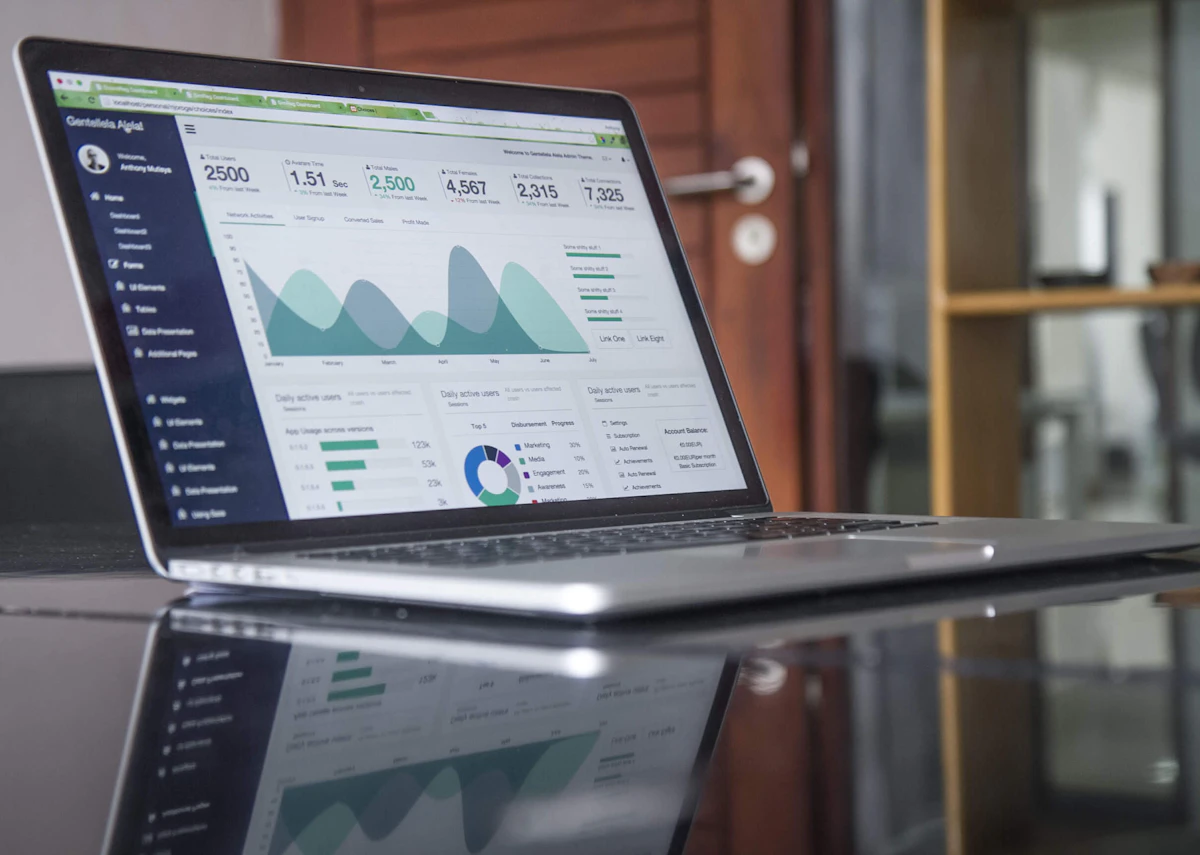
Remote roles are boosting the gig economy. Freelancers now account for over 35% of U.S. workforce value creation. Small firms leveraging remote talent are expanding without physical office costs, fueling local economies across diverse states. This shift has several significant economic implications:
The U.S. Chamber of Commerce reports that small businesses embracing remote work models have grown 27% faster than their office-bound counterparts since 2023. This growth is particularly pronounced in professional services, technology, and creative industries where remote collaboration is most feasible.
Equip Your Remote Work Setup
Power your productivity with the Acer Aspire 3 - the perfect balance of performance and value for today's remote professionals
Shop Acer Aspire 3 NowDisclosure: Some links in this article may be affiliate links. This means we may earn a commission if you click through and make a purchase, at no additional cost to you. This helps support our research and content creation.


0 Comments